

- Blog
- 03 Apr 2026

Enterotoxemia, commonly known as "Overeating Disease" or
"Pulpy Kidney Disease," is a fast-acting and often fatal condition caused by the bacterium Clostridium perfringens (specifically types C and D). It is a major concern in sheep and goat management globally.
Pathogenesis: Why it Happens
The bacteria are normally present in the intestines in small, harmless amounts. However, when there is a sudden change in diet—such as moving to lush pasture or an increase in grain—the bacteria multiply rapidly. They produce potent toxins that are absorbed into the bloodstream, causing systemic damage.
Common Symptoms
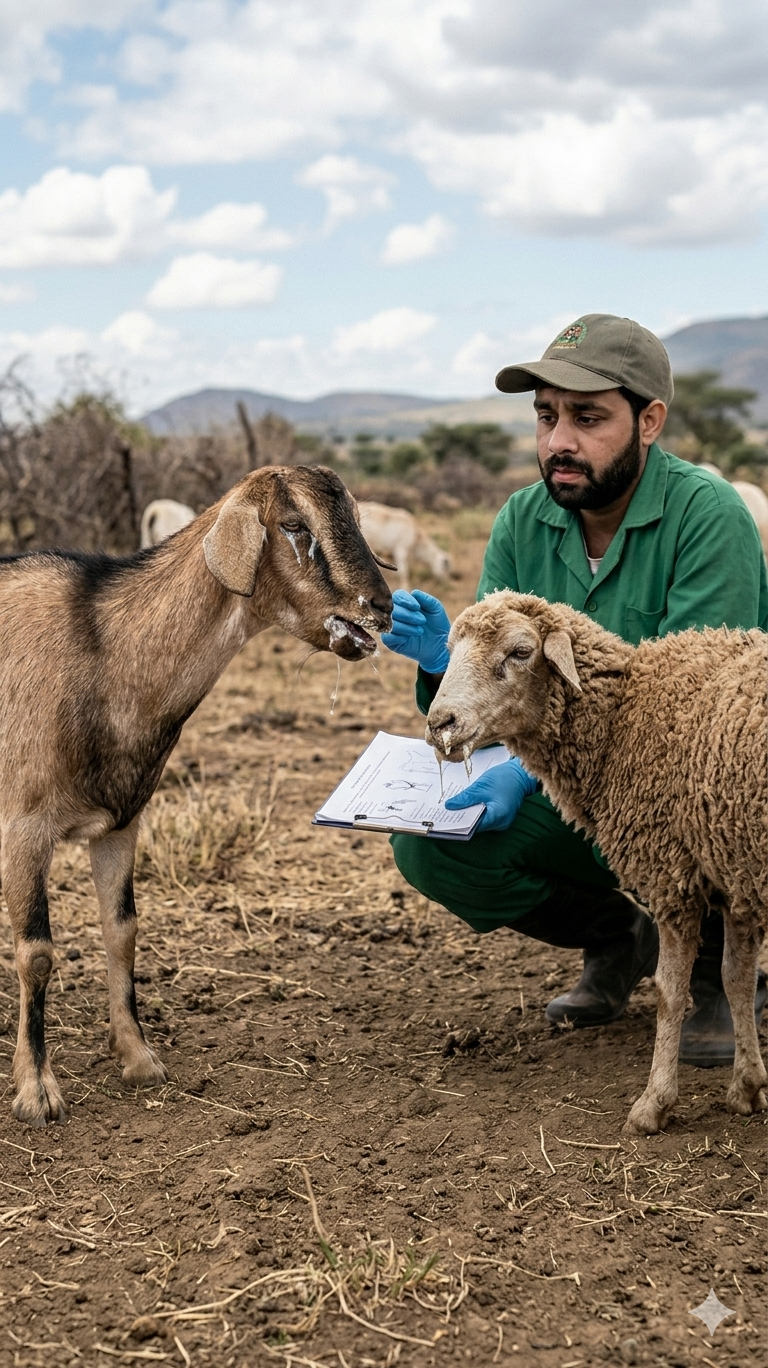
The disease often progresses so quickly that the first sign noticed in a flock is sudden death. When symptoms are visible, they include:
- Neurological Distress: Circling, head pressing, or "stargazing" (head held back).
- Convulsions: Violent shaking and muscle tremors.
- Severe Abdominal Pain: Animals may kick at their belly or arch their back.
- Digestive Issues: Profuse, watery diarrhea (sometimes with blood).
- Recumbency: The animal falls on its side and is unable to stand, often paddling its legs.
Management & Prevention Strategies
|
Method |
Description |
|---|---|
|
Vaccination |
The CD&T vaccine is the gold standard. Ewes/does should be vaccinated before lambing/kidding to provide colostral immunity to newborns. |
|
Dietary Control |
Avoid sudden changes in feed. If moving to a higher-energy diet, do so gradually over 7–10 days to allow the gut flora to adjust. |
|
Consistent Feeding |
Ensure animals have constant access to forage to prevent "gorging" behavior during feeding times. |
|
Antitoxins |
In acute cases, a specific Enterotoxemia antitoxin can be administered for immediate, short-term protection, though success is limited once symptoms are severe. |
Differentiation Table: Type C vs. Type D
|
Feature |
Type C |
Type D |
|---|---|---|
|
Primary Target |
Young lambs/kids (under 3 weeks). |
Older lambs/kids and adults. |
|
Main Symptom |
Hemorrhagic enteritis (bloody scours). |
Sudden death or "pulpy kidney" (post-mortem). |
|
Trigger |
High milk intake or cold stress. |
High grain or lush pasture intake. |
Post-Mortem Note: The name "Pulpy Kidney" comes from the rapid decomposition of the kidneys shortly after death, a classic sign during a necropsy.