

- Blog
- 23 Dec 2025

Understanding Lumpy Skin Disease
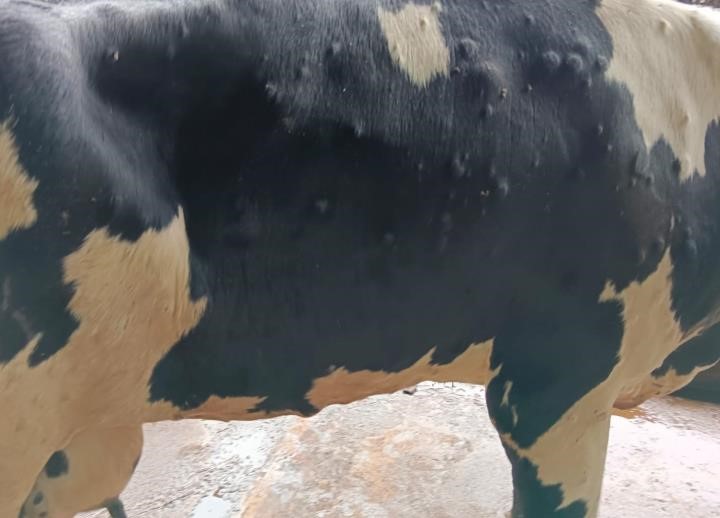
Lumpy Skin Disease (LSD) is a highly infectious viral disease affecting cattle, caused by the Capripoxvirus. It is primarily transmitted through biting insects such as mosquitoes, ticks, and flies. The disease is characterized by fever, enlarged lymph nodes, and firm nodules distributed over the skin and mucous membranes. LSD poses serious economic losses due to reduced milk production, infertility, hide damage, and increased mortality in severe cases.
Clinical Signs and Diagnosis
Affected animals usually present with sudden onset of fever followed by the appearance of round, raised skin nodules. These lesions may ulcerate and become secondarily infected. Diagnosis is based on clinical signs, history of vector exposure, and laboratory confirmation through PCR or virus isolation. Early detection is critical to limit spread within herds.
Prevention and Veterinary Management
There is no specific antiviral treatment for LSD; management is supportive and preventive. Vaccination remains the most effective control measure. Strict biosecurity, vector control programs, isolation of infected animals, and supportive therapy such as antibiotics for secondary infections and anti-inflammatory drugs are essential components of veterinary management.