

- Blog
- 10 Apr 2026
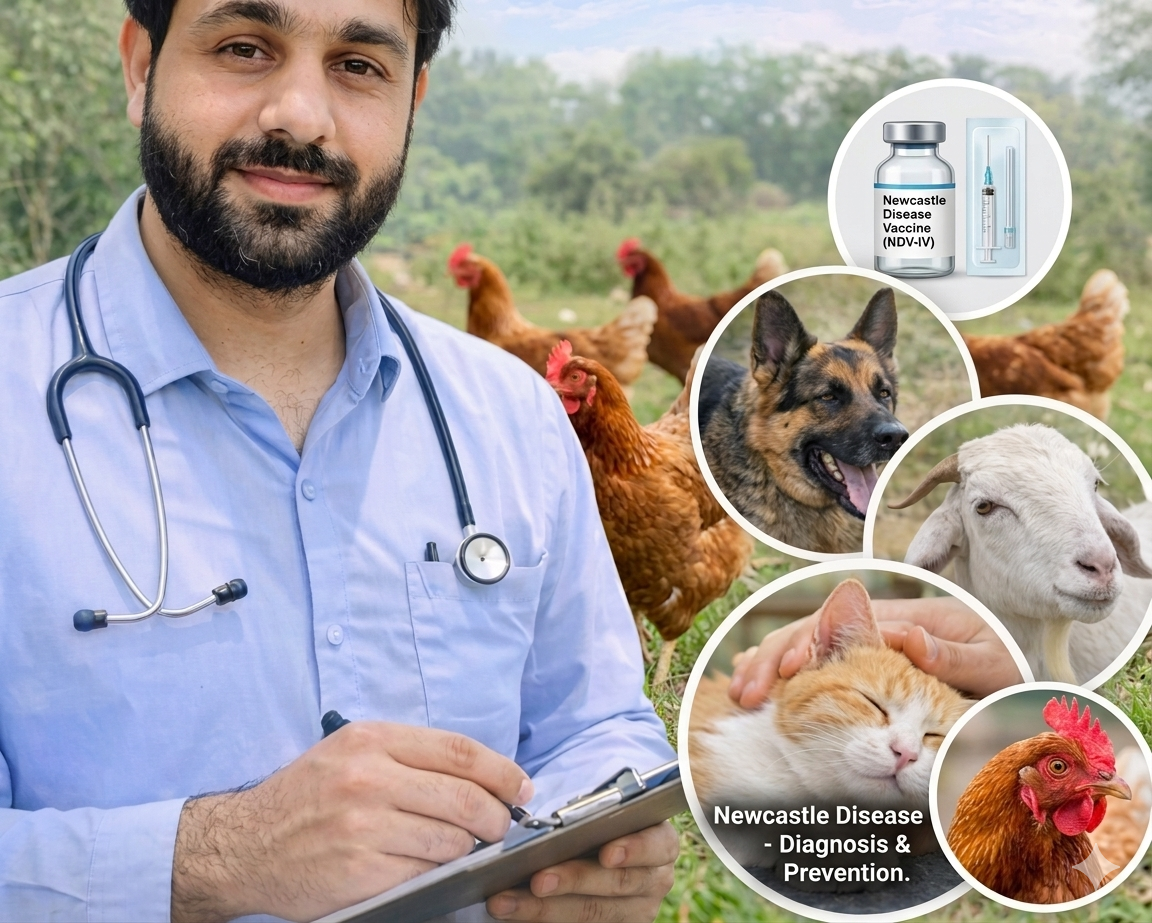
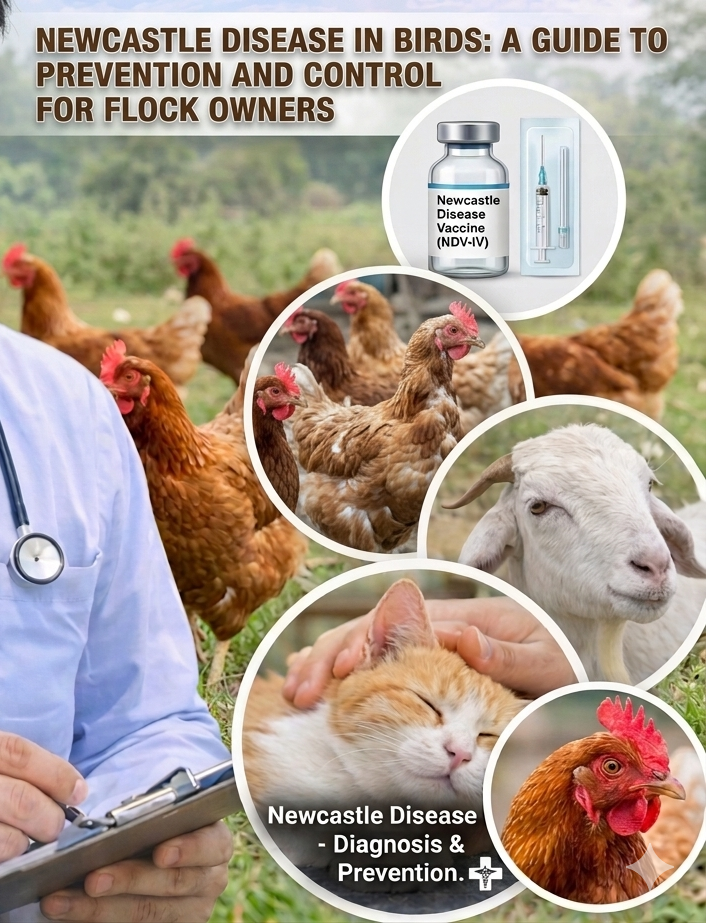
Newcastle Disease (ND), locally known as Ranikhet, is a significant concern for bird enthusiasts in Lahore, especially given the city's high density of backyard poultry and fancy pigeons. In 2026, maintaining strict biosecurity is essential as new viral variants continue to circulate globally.
1. Clinical Presentation:
The symptoms of ND vary depending on the strain, but "Lahorian" bird lovers should be alert for these three main forms:
Respiratory Form: Sneezing, gasping (mouth breathing), and nasal discharge. You may hear a "clicking" sound when the bird breathes.
Digestive Form: Profuse, watery, greenish diarrhea. This is often the first sign in pigeons and parrots.
Nervous Form (Late Stage): This is the most distressing phase. Birds develop Torticollis (twisted neck/star-gazing), tremors, or paralysis of the wings and legs.
2. Prevention: The Lahore Vaccination Strategy
In our climate, heat stress can weaken a bird's immune response, making a consistent vaccination schedule vital.
Recommended Schedule for Fancy Birds/Pigeons:
Day 1–7: Initial priming with a mild "Lentogenic" strain (e.g., Hitchner B1 or LaSota) via eye drops or nose drops.
Week 3–4: Booster dose of LaSota via drinking water or spray.
Every 3–4 Months: For long-lived fancy birds, many local experts recommend a booster to maintain high antibody titers, especially before the onset of extreme summer or winter.
Pro Tip: When using water-based vaccines, ensure the water is free of chlorine (use Nestlé or boiled/cooled water) and add a small amount of skimmed milk powder to stabilize the virus.
3. Biosecurity for the Home Aviary
Since Lahore has a large population of wild crows and sparrows that carry the virus, focus on these steps:
Netting: Use fine mesh to prevent wild birds from sharing feed or water with your pets.
Quarantine: Never introduce a new bird from a "Lari Adda" or local bird market directly into your loft. Isolate it for at least 21 days.
Foot Baths: Use a simple disinfectant tray (Virkon S or similar) at the entrance of your aviary.
4. Rehabilitation & Support
While there is no "cure" for the virus itself, supportive care can save birds with milder infections:
Hydration: Manual feeding and hydration are critical if the bird has a twisted neck and cannot reach its bowl.
Nervine Tonics: Use Vitamin B-Complex (specifically B12) to support nerve recovery.
Secondary Infections: Consult a vet for antibiotics (like Enrofloxacin) to prevent secondary bacterial pneumonia, which is often what actually kills the bird.
A Note on Zoonosis
Newcastle Disease can cause mild conjunctivitis (pink eye) in humans. Always wash your hands thoroughly after handling sick birds or cleaning their cages.
Since you are managing birds in Lahore, where dust, high humidity during monsoon, and wild bird density are high, your biosecurity needs to be "bulletproof."
Here is a tailored biosecurity checklist for both Pigeon Lofts and Parrot Aviaries to keep Newcastle Disease (Ranikhet) and other pathogens out.
Phase 1: The "Invisible Shield" (External Defense)
Wild Bird Exclusion: Ensure your mesh is small enough (1/2 inch or smaller) to keep out sparrows and crows. In Lahore, crows are primary mechanical carriers of ND.
The "One Suit" Rule: Never enter your aviary wearing the same clothes/shoes you wore to the Tolinton Market or a friend’s loft. Have a dedicated pair of flip-flops or boots used only inside the aviary.
Feed Storage: Store all grain and pallets in sealed plastic or metal drums. Open bags attract rodents whose droppings can spread Salmonella and E. coli.
Phase 2: The "Quarantine Protocol" (The 3-Week Rule)
Isolation Zone: New birds must stay in a separate cage at least 20 feet away from your main flock.
Observation Period: 21 days is the "gold standard." Watch for greenish droppings or "clicking" breath sounds.
Reverse Order Choreography: Always feed and clean your healthy birds first, and the quarantined birds last. This prevents you from carrying germs from the "suspect" bird to your prize collection.
Phase 3: Hygiene & Disinfection (The "Lafani" Clean)
Foot Baths: Place a shallow tray with a Virkon S or Lifebuoy/Bleach solution at the entrance. Step in it every time you enter.
Water Sanitation: Biofilms in water bowls are breeding grounds. Scrub bowls daily. Once a week, use a drop of Apple Cider Vinegar (ACV) in the water to keep the gut pH acidic, which inhibits many bacteria.
Dust Control: Newcastle virus can survive in dried droppings/dust. In Lahore's dry heat, avoid "dry sweeping." Instead, mist the floor lightly with a disinfectant before scraping to keep dust down.
Phase 4: Seasonal Specifics for Lahore
|
Season |
Focus Area |
Action |
|---|---|---|
|
Monsoon (July-Aug) |
Humidity/Fungus |
Increase ventilation; check for moldy feed (Aspergillosis risk). |
|
Peak Summer |
Heat Stress |
Use electrolytes (ORS) in water; heat stress crashes the immune system, making ND vaccines fail. |
|
Fog/Smog (Nov-Dec) |
Respiratory Health |
Avoid vaccinations during heavy smog days when lungs are already irritated. |
The "Daily Five" Quick Check:
Eyes: Are they clear, or is there "foam" in the corner?
Nostrils (Cere): Is it dry and white/clean, or wet/discolored?
Droppings: Are they firm, or watery/bright green?
Activity: Is the bird "fluffed up" or tucked away in a corner?
Keel Bone: Feel the chest. Is the bird losing weight despite eating?
Pro Tip for Lahorian Breeders: If you suspect an outbreak in your neighborhood, Stop all visits. Do not let fellow hobbyists enter your loft, and do not visit theirs until the local "wave" passes.