

- Blog
- 03 Apr 2026
PPR In Sheeps & Goats
Upcoming Viral Disease Of Eid Animals
Peste des Petits Ruminants (PPR), often called "sheep and goat plague,"
A highly contagious viral disease that can be devastating to livestock.
It is caused by a Morbillivirus, closely related to the virus that caused rinderpest in cattle.
Because it spreads so rapidly through secretions (tears, nasal discharge, feces) and close contact, early identification is vital for protecting a flock.
Clinical Signs
The disease typically progresses through several stages, often starting with a high fever (up to 41°C or 106°F).
Respiratory Distress
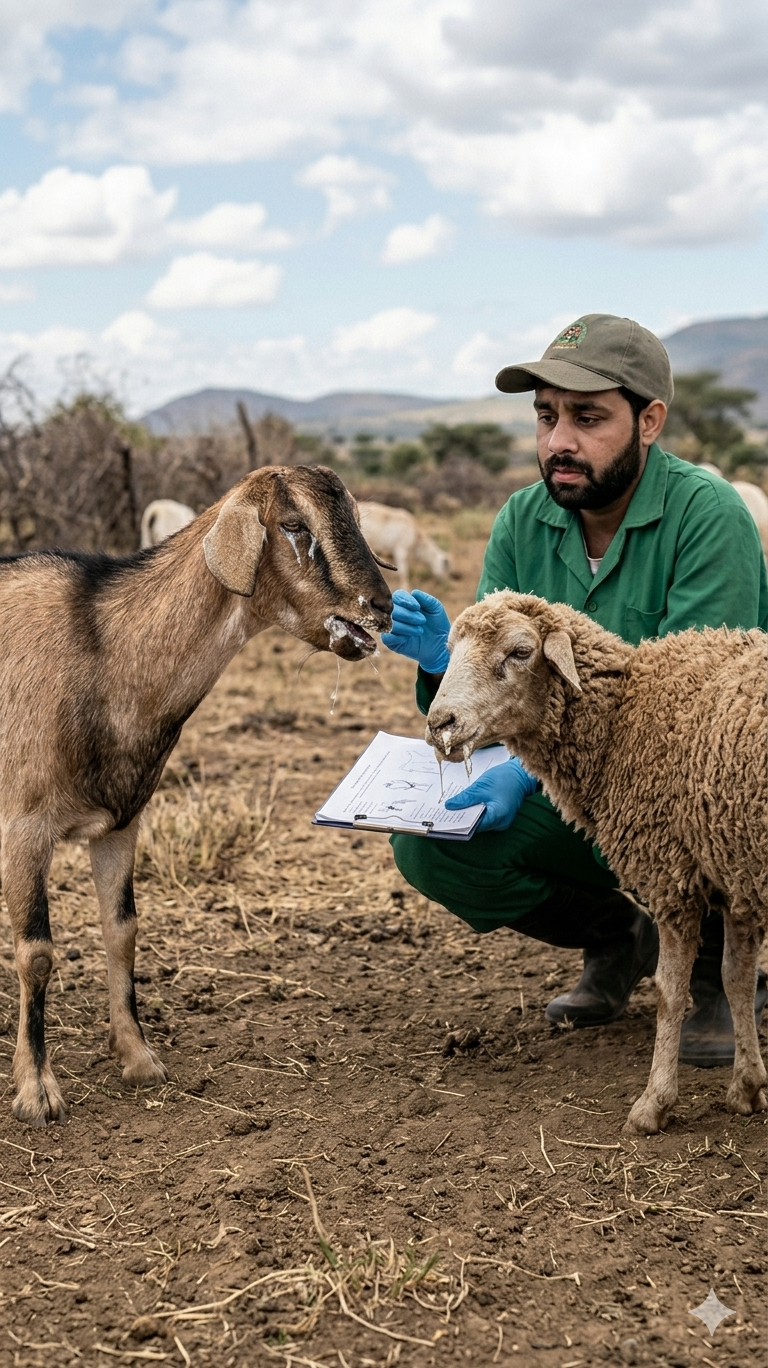
Animals may develop a dry, hacking cough, labored breathing, and clear-to-thick discharge from the nose and eyes.
Oral Lesions:
The lining of the mouth becomes inflamed, often developing small, painful sores or "cheesy" white deposits. This makes eating difficult.
Gastrointestinal Issues:
Severe, “foul-smelling diarrhea” (sometimes bloody) usually appears a few days after the fever starts, leading to rapid dehydration.
Skin Changes:
In some cases, small nodules or crusts may form around the muzzle.
Management and Prevention
There is currently no specific "cure" or antiviral treatment for PPR, so management focuses on supportive care and strict prevention.
|
Strategy |
Action Items |
|---|---|
|
Vaccination |
This is the most effective tool. A single dose of the attenuated PPR vaccine can provide immunity for up to 3 years. |
|
Quarantine |
Isolate new animals for at least 3 weeks before introducing them to the main flock. Immediately isolate any animal showing symptoms. |
|
Sanitation |
Disinfect troughs, enclosures, and equipment using common bleaches or phenolic compounds, as the virus is sensitive to many disinfectants. |
|
Supportive Care |
Use antibiotics (to prevent secondary bacterial pneumonia) and rehydration fluids to help affected animals recover. |
Important Note:
PPR is a reportable disease in many regions.
If you suspect an outbreak, you should contact a local veterinarian or animal health official immediately to confirm the diagnosis and prevent further spread.